How a Bicycle Accident Lawyer Helps After a Rideshare-Related Crash
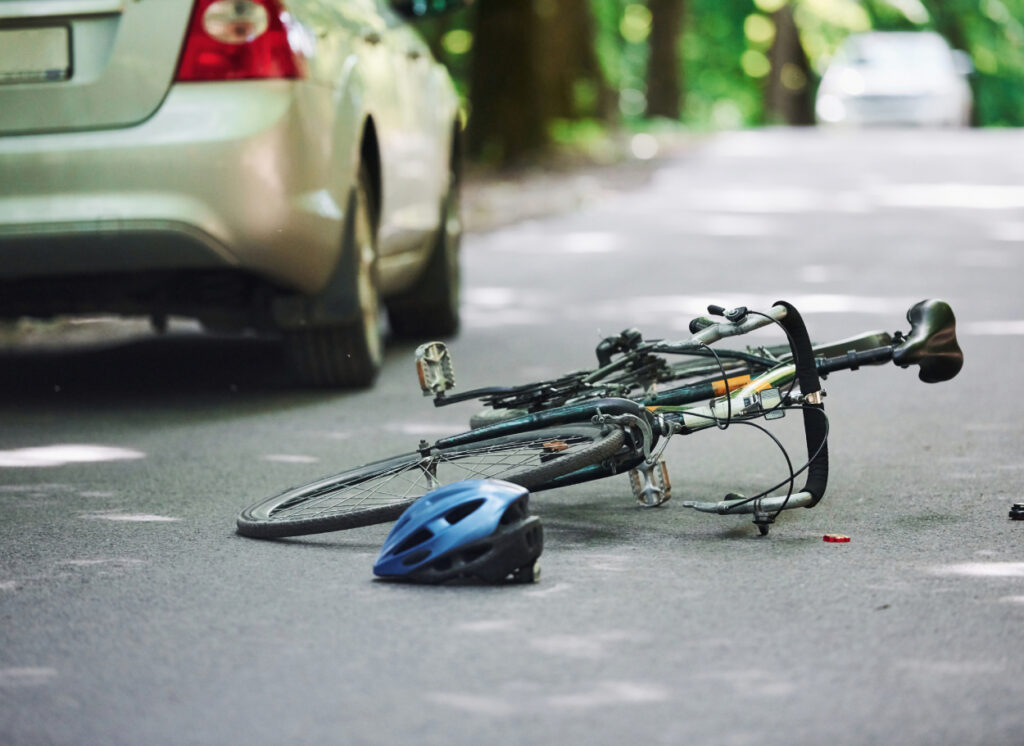

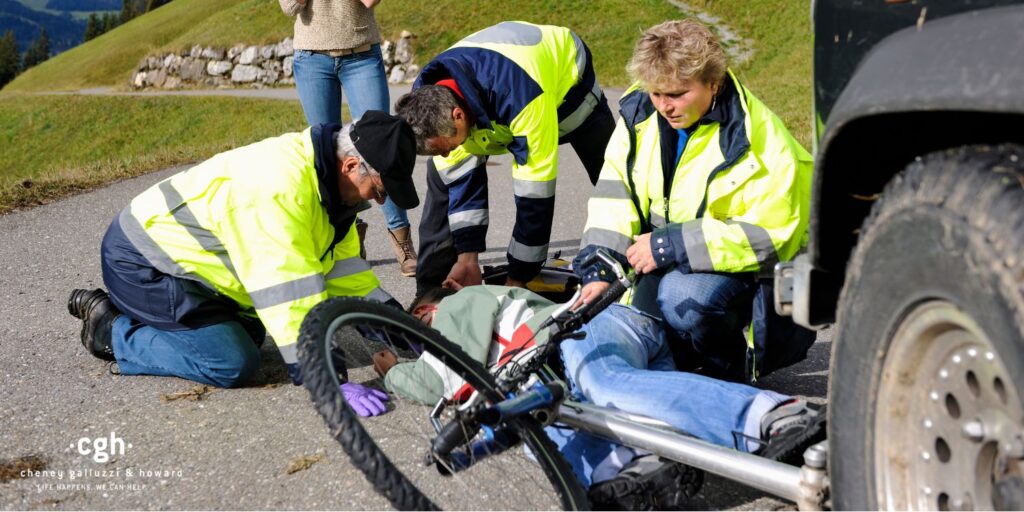
A collision between a bicycle and a rideshare vehicle rarely looks simple on paper. At the curb, it may seem obvious enough: a driver opened a door into a bike lane, turned across a cyclist’s path, stopped unexpectedly for a pickup, or drifted while watching the app. But once the insurance claims begin, the story often splinters. The driver may say the passenger caused the problem. The rideshare company may argue the driver was not actively engaged in a trip. A personal auto insurer may deny coverage because the car was being used for commercial activity. Meanwhile, the injured cyclist is left dealing with fractures, a damaged bike, lost work, and a stack of medical bills.
That is where a Bicycle Accident Lawyer can make a real difference. In rideshare-related cases, the legal work is not only about proving that someone was careless. It is also about identifying every potentially responsible party, preserving digital evidence before it disappears, and understanding how overlapping insurance policies actually work in practice.
These cases have a different texture from an ordinary bicycle crash. They move quickly in some ways and slowly in others. App data can be decisive, but it is not always easy to obtain. Witnesses can vanish. Vehicles get repaired. A passenger who seemed central to the incident can become difficult to locate. The first few days matter more than most cyclists realize.
Why rideshare crashes involving cyclists are uniquely complicated
A standard bike crash claim might involve one driver, one insurer, one police report, and a relatively straightforward negligence analysis. A rideshare collision often adds at least three extra layers.
First, there is the timing issue. Insurance coverage can change depending on what the rideshare driver was doing at the exact moment of impact. Was the app off? Was the driver logged in and waiting for a ride request? Had the driver accepted a trip and was heading to pick up a passenger? Was a passenger already in the car? Those distinctions matter because different insurance tiers may apply.
Second, there is the evidence issue. Much of what happened may be reflected in app records, GPS logs, trip timestamps, in-vehicle data, and phone use history. Unlike skid marks or broken glass, those records are not sitting in the street waiting to be photographed. They usually must be requested, preserved, and sometimes compelled.
Third, there is the blame-shifting issue. Rideshare cases tend to attract finger-pointing. A driver may blame the cyclist for filtering through traffic. A passenger may deny opening the door abruptly. The company may point to contractor status. A police report may oversimplify events because the responding officer did not witness the crash and had limited time on scene.
A lawyer who routinely handles bicycle cases knows how dangerous those assumptions can be. What looks like a quick denial can turn into a strong claim once the evidence is assembled correctly.
The first legal question is often not fault, it is coverage
Cyclists are often surprised to learn that even when fault seems clear, payment can still become a fight about insurance structure. Rideshare companies typically maintain substantial third-party liability coverage, but whether that coverage applies depends on the driver’s status in the app at the time of the crash. If the app was off, the driver’s personal policy may be primary. If the driver was logged in but had not accepted a ride, there may be a lower tier of company-provided coverage. If the driver was en route to a passenger or carrying one, a larger commercial policy may apply.
That sounds straightforward until real life intrudes. Drivers sometimes log out and back in. Phones lose signal. A crash may happen seconds after a ride was accepted. A pickup may be canceled moments before impact. The insurer for the driver and the insurer associated with the rideshare platform may each try to push responsibility onto the other.
An experienced Bicycle Accident Lawyer starts by nailing down the timeline with precision. A difference of one or two minutes can change the available insurance dramatically. In a serious injury case, that difference can mean the gap between a denied claim and meaningful compensation for surgery, rehabilitation, and long-term wage loss.
How the crash itself tends to happen
Rideshare collisions involving cyclists follow a few recurring patterns. The details vary, but the dynamics are familiar to anyone who has spent time evaluating urban traffic crashes.
Dooring is one of the most common. A rideshare vehicle stops near the curb, often abruptly, and a passenger opens the door into a cyclist’s path. The cyclist has little time to react. Even when speed is moderate, the https://keeganjdyf603.currentvale.com/posts/bicycle-accident-lawyer-tips-for-protecting-your-claim impact can throw the rider into traffic or onto the pavement hard enough to cause a concussion, wrist fracture, collarbone break, or facial injury.
Another frequent pattern is the right hook. The rideshare driver passes a cyclist and then turns right across the bike lane, either to make a pickup or because the driver spots the passenger at the last second. These crashes often happen in dense commercial corridors where stopping options are limited and app-driven urgency changes driver behavior.
Then there are sudden stops, illegal curb pulls, U-turns, and distracted lane shifts. Rideshare drivers work from screens. They scan for names, ratings, addresses, and pickup pins while navigating unfamiliar blocks. That does not excuse unsafe driving, but it does explain why these crashes have a distinctive profile.
A good lawyer does not approach these as generic traffic incidents. The rideshare context itself can help explain why the driver behaved the way they did, which can be important when proving negligence.
Evidence disappears fast, sometimes within days
In many bicycle injury claims, the decisive work happens long before a lawsuit is filed. A lawyer’s early intervention can preserve evidence that an injured cyclist would otherwise never know existed.
Consider a common scenario: a rider is clipped by a rideshare car stopping in a painted bike lane. The cyclist is taken to urgent care and assumes the police report will tell the full story. A week later, the car has been repaired, the ride history is harder to trace, nearby surveillance footage has been overwritten, and the passenger’s identity remains unclear. What felt like a documented event is now a patchwork.
This is why prompt legal help matters. A Bicycle Accident Lawyer will often send preservation notices to the rideshare company, the driver, and other relevant parties, asking them to retain app data, trip records, communications, dashcam footage, phone logs, and vehicle data. The lawyer may also move quickly to secure footage from storefronts, apartment buildings, buses, or traffic cameras before those systems recycle.
Photos from the scene matter too, especially in bike cases. The location of the vehicle, the angle of the bike, scrape marks on a door, damage to a helmet, and the exact street layout can all support or weaken a claim. I have seen cases where a simple photograph of a curbside pickup zone changed the whole analysis, because it showed the driver had stopped in a prohibited area where cyclists were expected to travel.
What a lawyer actually does in the early stage
Many injured cyclists imagine that hiring a lawyer mostly means filing paperwork or negotiating a settlement. In a rideshare case, the early work is more active and more technical than that. It often includes:
- Investigating the timing of the ride through receipts, app data, GPS records, and witness statements
- Identifying all applicable insurance policies and challenging improper denials
- Documenting injuries with medical records, imaging, physician opinions, and future care projections
- Preserving physical and digital evidence before repairs, deletions, or memory gaps weaken the case
- Calculating full damages, including bike replacement, lost income, and long-term limitations
Each of those steps has practical consequences. If the lawyer obtains confirmation that the driver had accepted a ride ten seconds before impact, a much larger policy may come into play. If the lawyer secures a surgeon’s opinion that a wrist injury will limit grip strength for years, the settlement value changes. If the lawyer finds video showing the cyclist had the right of way, comparative fault arguments lose traction.
Fault can involve more than the driver
One feature of rideshare bicycle crashes that people often overlook is the possible role of passengers. In a dooring case, for example, the person who opened the door may be directly responsible, even if they were not driving. In some jurisdictions, both the driver and passenger may share blame depending on what happened. The driver may have stopped in an unsafe place, failed to warn the passenger, or created a foreseeable hazard in the bike lane.
There are also edge cases. A passenger may wave the driver over into a clearly unsafe stop. A group exiting the vehicle may spill into the bike lane at night outside a busy venue. A driver may rely on the app’s pickup point even though local traffic rules make that stop dangerous. These are not theoretical wrinkles. They can shape who is named in the claim and which insurance or personal assets may be relevant.
That does not mean every case should become a sprawling multi-party fight. Sometimes restraint is wise. A seasoned lawyer knows when adding parties strengthens the case and when it only complicates settlement. Judgment matters here. More defendants do not always mean a better outcome, especially if the main insurance policy is already sufficient and liability is clear.
Medical documentation often decides the value of the claim
Cyclists tend to minimize injuries at first. Adrenaline is powerful. Many riders are fit, determined, and accustomed to pushing through pain. They tell the paramedic they are fine, go home, then wake up the next day unable to rotate a shoulder or bear weight on a hand.
That pattern can hurt a claim if the injury is not documented properly. Insurance adjusters look for gaps, inconsistencies, and anything they can frame as minor. A lawyer helps make sure the medical record tells the real story. That does not mean exaggeration. It means accuracy, continuity, and specialist follow-up when needed.
In a rideshare-related bicycle crash, common injuries include:
- wrist and hand fractures from bracing during a fall
- collarbone and shoulder injuries after side impact
- concussions, sometimes with delayed symptoms
- knee trauma that interferes with work and daily mobility
- facial and dental injuries, especially in dooring events
Those injuries have costs beyond the emergency room bill. Physical therapy can last months. Hardware removal surgeries sometimes follow initial fixation. A concussion may affect concentration long after scans come back normal. A self-employed cyclist, nurse, mechanic, chef, or dental hygienist may lose income in ways that do not show up neatly on a pay stub. A lawyer’s job is to connect those practical losses to the legal claim with evidence.
Comparative fault arguments are common, and often overused
Drivers and insurers frequently argue that the cyclist shares responsibility. Sometimes that argument has merit. A rider may have been traveling against traffic, ignoring a signal, or riding at night without lights. But just as often, comparative fault is raised reflexively because it reduces potential payout.
Rideshare cases create especially fertile ground for these disputes. The insurer may claim the cyclist was squeezing past stopped traffic too quickly. It may argue the rider should have anticipated a passenger door opening. It may suggest the cyclist was outside the bike lane, even when the lane was blocked by the rideshare vehicle itself.
A Bicycle Accident Lawyer pushes back by grounding the case in road design, traffic laws, sight lines, and real-world cycling behavior. If a driver stopped in a bike lane near a restaurant row on a Friday night, it is hardly surprising that a cyclist was there. If the cyclist swerved to avoid an opening door and hit the pavement, the law in many places still recognizes the original dooring event as the cause of the crash.
Insurers count on uncertainty. Clear reconstruction reduces that uncertainty.
The bike itself is part of the damages, but not the whole story
After a crash, cyclists are often upset about the bike because it is tangible, expensive, and immediate. Carbon frames crack. Wheelsets warp. Integrated shifters and brake levers are not cheap. An e-bike can represent several thousand dollars before accessories are even counted.
Property damage matters, and a lawyer will document it. But in a serious injury case, the bike is usually a small piece of the overall claim. The larger issues are medical costs, lost earnings, pain, mobility limits, and future care. Riders sometimes settle too quickly because they are focused on replacing the bike and getting back on the road. That can be a costly mistake if surgery becomes necessary later or symptoms persist.
I have seen riders accept a quick check for the bike and urgent care visit, only to learn weeks later that the shoulder injury was a labral tear requiring extended treatment. Once a release is signed, reopening the case is rarely simple. A lawyer helps protect against that kind of short-term thinking.
Settlement is common, but preparation for trial changes the outcome
Most bicycle accident claims resolve without trial. That is true in rideshare cases as well. But the cases that settle well usually do so because the lawyer built them as if trial were possible. There is a difference between asking for money and proving entitlement to it.
That preparation means organized medical records, coherent witness statements, a defensible damages model, and a liability theory supported by facts rather than indignation. It may also mean consulting an accident reconstructionist, obtaining a vocational assessment, or using life-care planning in severe injury cases.
The existence of corporate structure around a rideshare company can create the illusion that every claim turns into a major legal battle. Sometimes it does not. Sometimes once the evidence is presented properly, resolution follows. Other times the company, the driver’s insurer, or both take a hard line. A lawyer who has handled these disputes before will recognize the difference early and advise accordingly.
What injured cyclists should do before the evidence goes cold
The hours after a crash are chaotic, especially if you are hurt. Even so, a few practical steps can make a major difference later.
If possible, seek medical care the same day and describe every symptom, even if it seems minor. Take photographs of the scene, the vehicle, your bike, your helmet, your clothing, and any visible injuries. Get the driver’s information and, if possible, confirm the rideshare status through the app screen or ride details. Ask for witness names and numbers. Do not repair or discard the bike until it has been documented. And be careful about giving recorded statements to insurers before you understand the coverage landscape.
Those steps are not about turning every mishap into litigation. They are about preserving the truth while it is still fresh. In rideshare cases, truth has a way of getting blurred by corporate reporting systems, insurance handoffs, and fading memories.
When legal help matters most
Not every bicycle crash requires a lawyer. If the injuries are minor, liability is undisputed, and the insurer behaves reasonably, some claims can be resolved without full legal representation. But rideshare-related crashes often move out of that simple category quickly.
Legal help is particularly important when the cyclist suffers broken bones, head injury, surgery, extended time off work, disputed fault, or any sign that multiple insurers may be involved. It also matters when the driver’s app status is unclear, the passenger played a role, or the police report leaves key facts out.
A strong Bicycle Accident Lawyer does more than demand compensation. The lawyer creates order where the case is messy. They identify which policy should respond, secure evidence before it disappears, translate medical impact into legal damages, and keep a rideshare company or insurer from defining the story unchallenged.
After a rideshare-related bicycle crash, that combination of timing, pressure, and complexity can overwhelm even a careful person. The legal task is not just to say that the driver should have been more careful. It is to prove what happened, preserve what matters, and make sure the injured cyclist is not left carrying the financial burden of someone else’s split-second decision.
CGH Injury Lawyers
2701 Lawrence St Suite 201
Denver, CO 80205, United States
Phone: +1 720-669-8062
FAQ About Bicycle Accident Lawyer
Who is at fault if a car hits a bicycle?
Fault depends on the evidence and the traffic rules that applied to the collision. A driver, cyclist, or another party may share responsibility. Police reports, witness accounts, video, and the physical evidence can help establish what happened. A collision with a car does not automatically determine legal fault.
Can you sue someone for hitting you on a bike?
You may have a claim when another person's negligent conduct causes your injuries and losses. The available evidence, applicable deadlines, insurance coverage, and any shared fault affect your options. A lawyer can review the circumstances and explain whether an insurance claim or lawsuit is appropriate; compensation is not guaranteed.
What percentage does an injury lawyer usually take?
There is no single percentage that applies to every injury case. Many lawyers use a contingency fee based on a share of the recovery, with the terms stated in a written agreement. Ask how the percentage is calculated, whether it changes during litigation, and how case expenses are handled before signing.